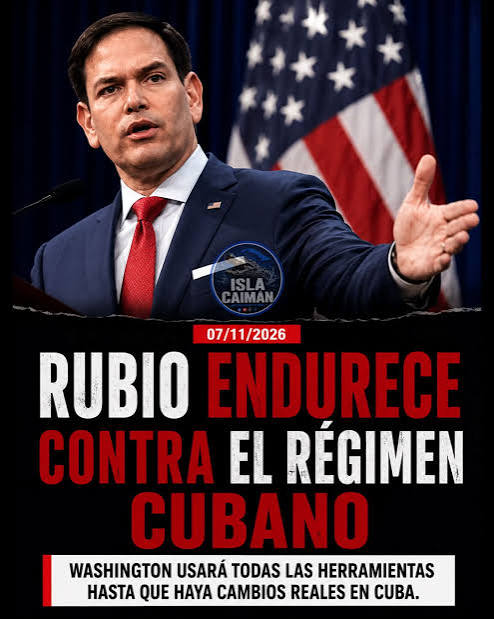
CUBA NECESITA ‘un cambio muy drástico’, insiste Marco Rubio. PHOTOS.
El de la Isla ‘es un caso muy diferente de Venezuela, y no diré más’, comenta a periodistas el secretario de Estado de EEUU.FacebookXWhatsApp
DIARIO DE CUBA- Cuba necesita “un cambio muy drástico”, declaró el lunes 26 de octubre el secretario de Estado de EEUU, Marco Rubio, días después de haber invitado a los habitantes de la Isla a entrar en contacto con la CIA de manera “discreta”.
“Creemos que Cuba necesita un cambio muy drástico, y lo dejaré ahí”, explicó Rubio a periodistas en teleconferencia de prensa, citada por la agencia de noticias AFP.
“A quienes buscan crear un cambio positivo en Cuba: este es el momento”, había afirmado Rubio en redes sociales el pasado viernes.
“Ante la decepción por las promesas incumplidas, la corrupción y los privilegios de unos pocos, aprovechen esta oportunidad para lograr el cambio que desean mediante una colaboración discreta con la CIA”, añadió, en un llamado que incomodó al régimen cubano.
Al ser preguntado por qué invitaba a los cubanos a entrar en contacto con la CIA en lugar de intentar acciones pacíficas, Rubio replicó: “no puedo contestar a eso”.
Cuba “es un caso muy diferente de Venezuela, y no diré más”, añadió.
Donald Trump reiteró el viernes, en un acto electoral en Florida, que su idea para someter a La Habana es ordenar a los buques militares que operan actualmente en Oriente Medio que hagan “una parada” frente a Cuba a su regreso, una idea que ha venido sugiriendo en los últimos meses.
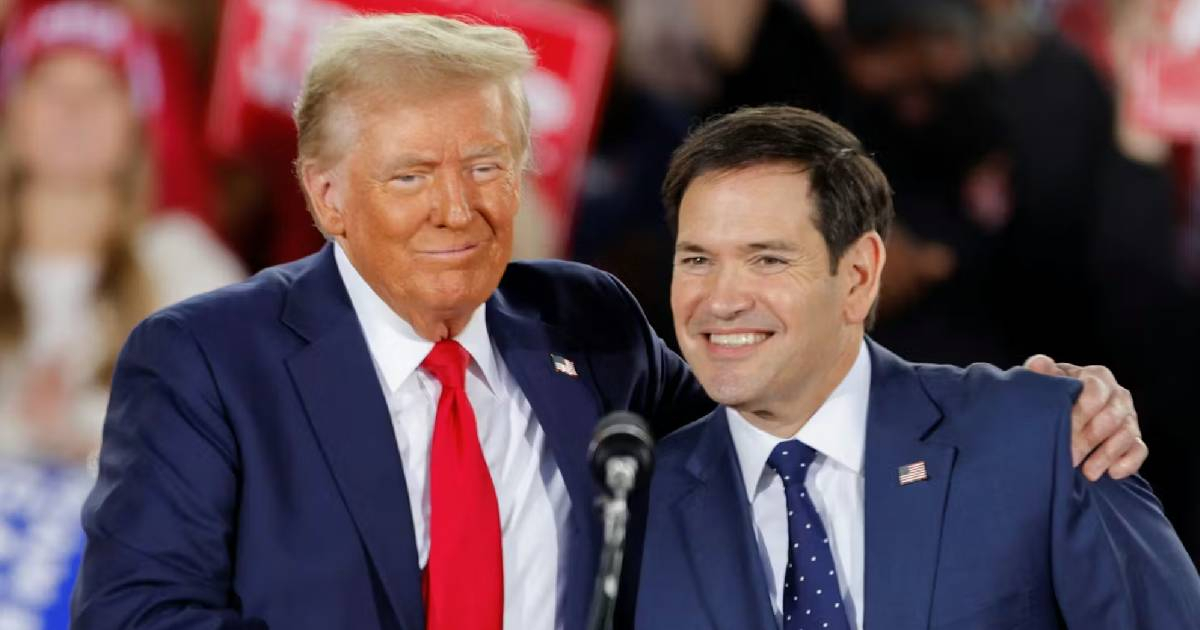
“Haremos que uno de ellos se detenga a unos 45 metros de la costa. Ellos levantarán las manos. Y luego enviaremos a Marco Rubio para que cierre el trato”, afirmó el mandatario republicano.
Las nuevas declaraciones del secretario de Estado se producen solo horas después de que el jefe de la misión diplomática de Washington en La Habana, Mike Hammer, se reuniera con el jefe del Comando Sur de Estados Unidos, el general Francis L. Donovan.
El encuentro fue hecho público por la Embajada estadounidense en la Isla que, en un breve comunicado en su perfil de Facebook, se limitó a decir que la reunión se produce en un contexto en el que hay “mucho de que hablar sobre Cuba”.
La reunión entre Hammer y Donovan ocurre, además, tres semanas después de que el alto cargo militar realizara una “visita operativa” a la Base Naval de Guantánamo, donde constató los cambios en la instalación militar de cara a prepararla “para la guerra autónoma”.
Si bien la opción militar respecto al futuro de Cuba se ha enfriado y avivado de forma sucesiva, a tenor de las declaraciones de altos funcionarios de EEUU, nunca ha desaparecido del todo ni tampoco se ha presentado como la opción inmediata.
En tal sentido, el pasado septiembre, la cadena CBS News informó que Estados Unidos estaría sentando las bases para llevar a cabo una potencial acción militar en Cuba. Según un mensaje del Ejército revisado por el medio estadounidense, la Reserva estaba evaluando la posibilidad de proporcionar fuerzas policiales, personal médico y otras unidades de apoyo al Comando Sur de las Fuerzas Armadas en los siguientes cuatro meses.
Más allá de las cuestiones operativas de la reunión entre Hammer y Donovan, el encuentro envía una señal a La Habana, mientras la opción militar vuelve a cobrar fuerza, a apenas unas horas de que el régimen cubano presente ante la ONU su resolución anual de condena al embargo de Estados Unidos.
Al hilo de lo anterior, y en consonancia con la estrategia de Washington para restarle apoyos a La Habana, Rubio afirmó que “el régimen cubano no llevará a cabo las reformas que el pueblo cubano merece mientras crea que la comunidad internacional está de su lado”.
Además, en una entrevista en septiembre, el secretario de Estado lanzó una advertencia a la nomenclatura del régimen, cuyos integrantes, según él, todavía creen que pueden resistir sin hacer cambios hasta que concluya la Administración Trump: “Están equivocados y aprenderán la lección por las malas si no rectifican”.
Agencies/DDC/ Internet Photos/ CUBA (HOY)/ Arnoldo Varona THE CUBAN HISTORY, HOLLYWOOD.
ESTADOS UNIDOS prepara nuevas restricciones a inversiones en tecnología y biotecnología en Cuba. EEUU-Cuba. PHOTOS.
El Departamento del Tesoro de Estados Unidos publicó este lunes en el Registro Federal una propuesta de reglamento para aplicar controles sobre inversiones estadounidenses en tecnologías sensibles establecidos por la legislación aprobada en diciembre de 2025.
CIBERCUBA- El gobierno estadounidense amplió la lista de «países de preocupación» para incluir a Cuba, China —con Hong Kong y Macao—, Irán, Corea del Norte, Rusia y Venezuela, esta última bajo el régimen de Nicolás Maduro, según precisa el documento oficial.
El texto, identificado como 2026-21786 y publicado en el registro federal, desarrolla la Ley Integral de Seguridad Nacional sobre Inversiones Estadounidenses en el Extranjero (COINS Act), aprobada en diciembre de 2025 como parte de la Ley de Autorización de Defensa Nacional para el año fiscal 2026.
El Tesoro anunció la propuesta el 22 de octubre con un comunicado de prensa oficial. La inclusión de Cuba entre los «países de preocupación» ya estaba contemplada en la COINS Act, aprobada por el Congreso.
La propuesta establece los procedimientos para aplicar los controles a determinadas inversiones estadounidenses en sectores tecnológicos sensibles, incluidas las operaciones que deberán notificarse y aquellas que estarán prohibidas.
Los sectores cubiertos son semiconductores y microelectrónica, sistemas de superinteligencia, tecnologías de información cuántica, computación de alto rendimiento, sistemas hipersónicos y, como novedad, biotecnología.
Este último sector fue añadido por el secretario del Tesoro, Scott Bessent, en ejercicio de su autoridad discrecional bajo la ley, más allá de los cinco sectores originalmente enumerados por el Congreso.
La inclusión de la biotecnología tiene relevancia directa para Cuba, dado el peso del sector farmacéutico-biotecnológico, articulado en torno a BioCubaFarma, que ha buscado activamente capital extranjero en los últimos años mediante acuerdos con Rusia, Vietnam y Brasil.
Las tecnologías prohibidas en ese ámbito abarcan ingeniería de sistemas biológicos para modificar agentes con controles de exportación, compuestos farmacéuticos avanzados, interfaces cerebro-computadora y equipos de biosecuenciación, entre otros.
El programa distingue dos niveles de obligación. Las transacciones notificables están permitidas, pero deben comunicarse al Tesoro en un plazo máximo de 30 días naturales tras el cierre de la operación. Las transacciones prohibidas no pueden ejecutarse salvo que el secretario conceda una exención de interés nacional.
Las violaciones pueden acarrear sanciones civiles de hasta 250,000 dólares o el doble del valor de la operación infractora, y el Tesoro puede ordenar la desinversión forzosa.
La propuesta contempla excepciones relevantes: inversiones en valores cotizados en mercados organizados, fondos indexados y fondos cotizados en bolsa (ETF), participaciones como socio limitado en fondos no estadounidenses con capital comprometido no superior a 2,000,000 de dólares, y transacciones cuyo valor agregado en los 12 meses anteriores no supere 50,000 dólares. Esta última es solo para la exención de notificación, no para operaciones prohibidas.
La propuesta no equivale a una prohibición general de toda inversión estadounidense en Cuba, ni afecta a remesas, viajes, medicamentos de uso personal ni a la totalidad de la colaboración científica. Se trata de una norma en fase de consulta pública, no de una obligación vigente.
«Las regulaciones propuestas fortalecerían el programa existente para impedir que nuestros adversarios utilicen la inversión estadounidense para desarrollar tecnologías críticas que amenacen la seguridad nacional de EE.UU.», dijo el secretario Bessent.
Esta propuesta se enmarca en un entorno de presión regulatoria creciente sobre Cuba. En meses recientes, la administración Trump sancionó a entidades cubanas vinculadas a tecnología militar, incluyendo Tecnoimport, Tecnotex y la Unión de Industria Militar, entre otras.
En paralelo, el régimen cubano abrió los centros de datos de ETECSA a la inversión extranjera dentro de un paquete de 176 transformaciones económicas anunciado en junio.
El plazo para presentar comentarios escritos sobre la propuesta vence el 7 de diciembre de 2026, a través de regulations.gov. Según el propio Tesoro, «la norma final, con su fecha de entrada en vigor, se publicará en una etapa posterior».
Agencies/ CiberCuba/ Internet Photos/ CUBA (HOY)/ Arnoldo Varona THE CUBAN HISTORY, HOLLYWOOD.
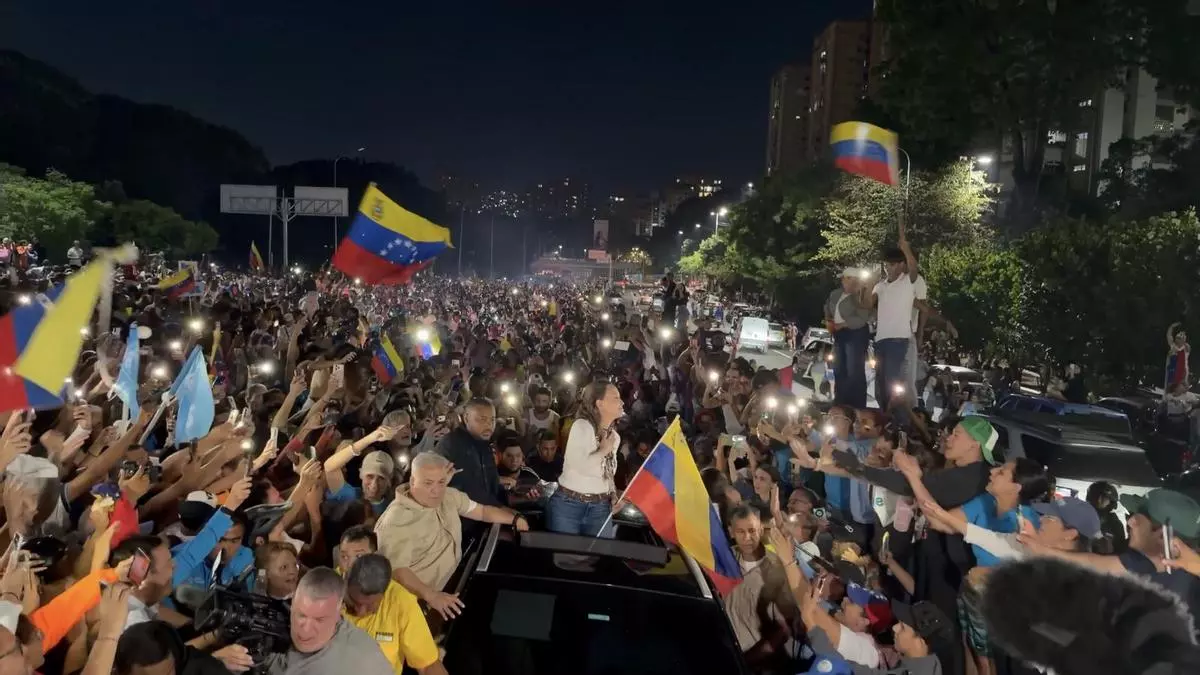
María Corina Machado, en Caracas, este domingo. / Captura/X/@MariaCorinaYA
MILES DE PERSONAS reciben en Caracas a María Corina Machado y exigen elecciones. CUBA & VENEZUELA.
La líder opositora regresó para “acelerar la transición”, asegura su entorno
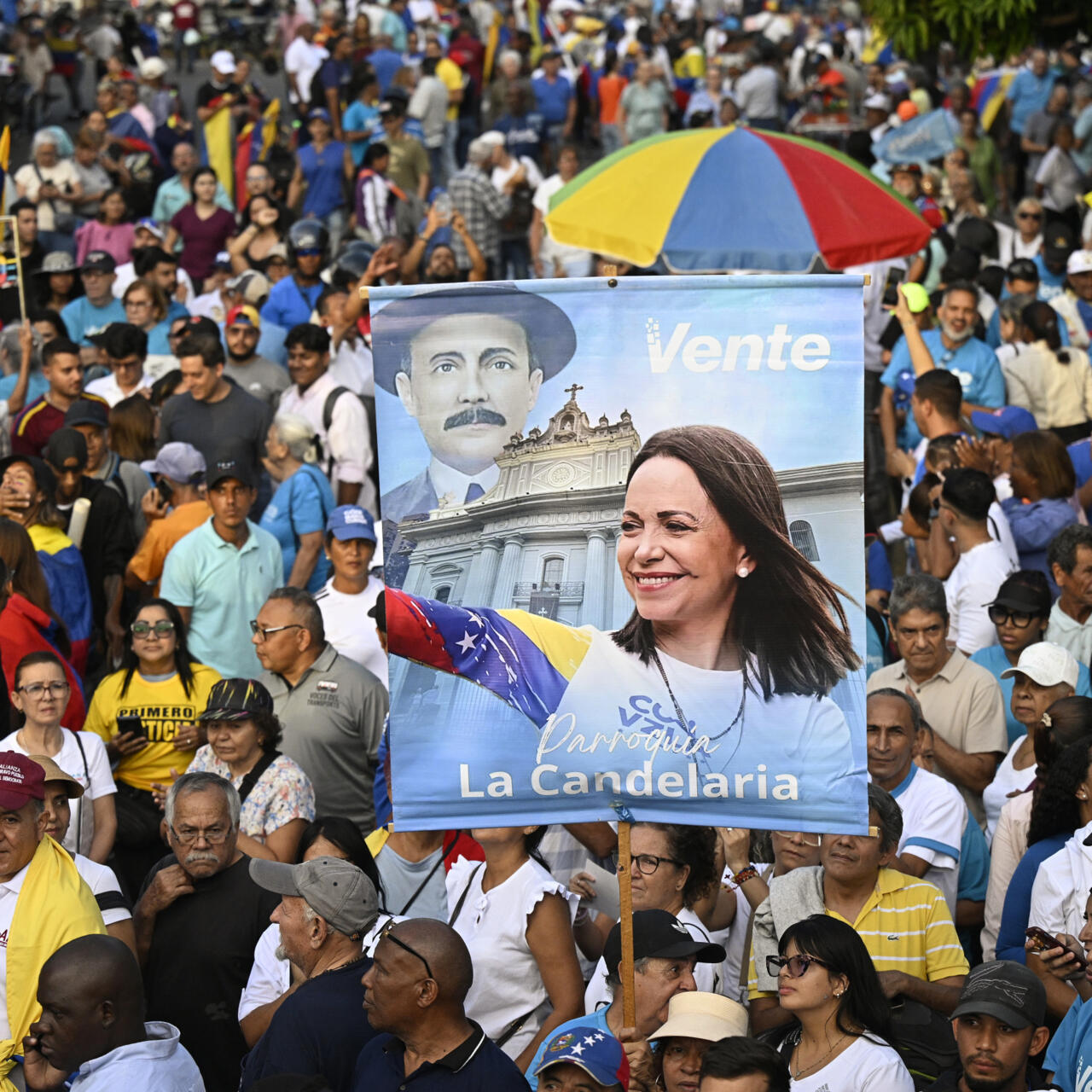
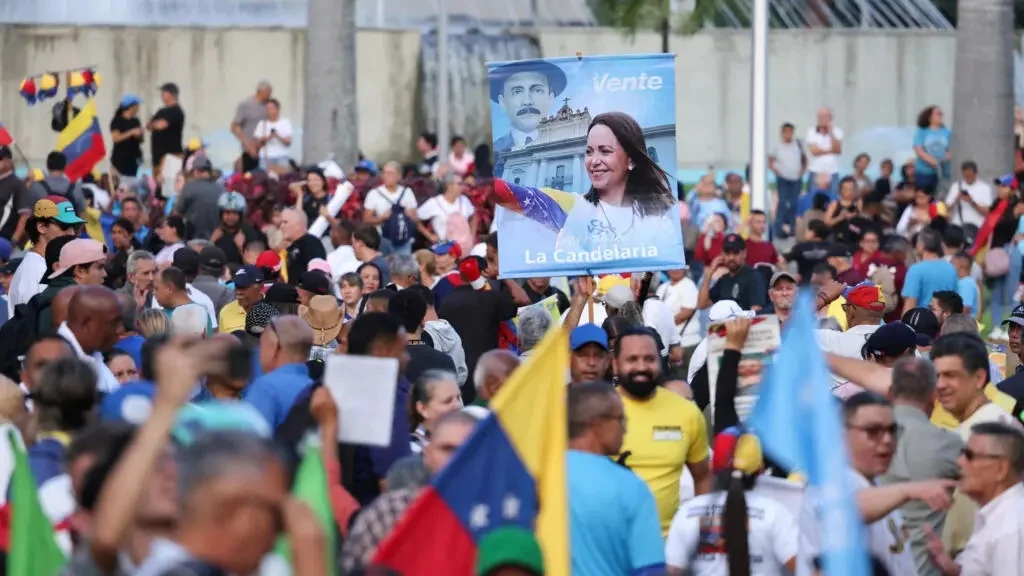
MADRID – CARACAS- Más de 900 kilómetros y seis estados de Venezuela recorrió este domingo María Corina Machado arropada por miles de personas, hasta llegar a la capital. En Caracas, fue recibida por una multitud enfervorecida que, con gritos de “libertad” y entre cláxones de vehículos, reclamaban: “¡Elecciones ya!”, “Bienvenida”, “Te amo, María Corina”.
Vestida con su característica camisa blanca y con varios rosarios colgados del cuello, Machado encabezó una caravana de vehículos desde la que saludaba a miles de personas que se fueron congregando a su paso por la ruta que conecta el estado de Lara, donde apareció en medio de una misa, con Caracas.
La opositora, que salió en diciembre del año pasado con destino a Oslo para recibir el Nobel, llegó a la capital pasadas las 21:00 horas, en medio de un enjambre de motocicletas y de personas y vehículos apostados a los lados de la autopista.
“Acaba de llegar nuestra líder única, María Corina Machado, futura presidente de la República de Venezuela y el pueblo exige elecciones ya”.
“Acaba de llegar nuestra líder única, María Corina Machado, futura presidente de la República de Venezuela y el pueblo exige elecciones ya”, dijo a la agencia española EFE Yraima Paredes, militante de Vente Venezuela (VV), el partido de la dirigente opositora.
Machado no ofreció declaraciones a los medios durante la caravana, pero en su camino escuchó, abrazó y saludó a la gente en las calles. Tras finalizar el recorrido escribió en sus redes sociales: “¡Este día lo recordaremos siempre! Vamos a terminar la tarea, juntos”.
El coordinador de organización de VV, Henry Alviarez, dijo a EFE que la opositora “está feliz” porque “está en su tierra” y “convencida de que hay que seguir avanzando hacia el camino de la libertad”. El también miembro de la dirección nacional del partido de Machado, Carlos Alberto Fernández, aseguró a la agencia española que la líder regresó para “acelerar la transición”.
“Aquí todo el mundo está exigiendo elecciones presidenciales. Hoy Venezuela entera está en la calle no solo por el regreso de María Corina, está en la calle exigiendo elecciones presidenciales el año que viene”, apuntó desde uno de los vehículos de la caravana.
A más de 100 kilómetros de Caracas, en Aragua, la docente María Rodríguez, de 60 años, señaló a EFE que el regreso de Machado “es la puerta a la libertad, a la nueva esperanza”.
El regreso de Machado se da cuatro días después de haber culminado la cuarta ronda del diálogo que Estados Unidos impulsa entre el chavismo y un sector de la oposición del que ella no forma parte.
La jefa de delegación opositora en las negociaciones, Dinorah Figuera, dijo que el retorno en “libertad” de la dirigente es el resultado directo de la “fortaleza” de las conversaciones y de los avances hacia la obtención de garantías plenas para los venezolanos.
Machado sorprendió a todos al aparecer este domingo en el santuario de la Divina Pastora, en Barquisimeto. Antes había anunciado que ya estaba en Venezuela, después de casi diez meses en el extranjero y casi una decena de intentos fallidos de retornar. “Estoy aquí, con ustedes”, escribió en sus redes sociales la dirigente, cuya presencia en territorio venezolano también fue celebrada por Edmundo González Urrutia, candidato opositor en las controvertidas elecciones presidenciales de 2024.
“¡Venezuela! Me emociona muchísimo anunciarles que nuestra líder, mi querida María Corina, está en territorio venezolano”, expresó González Urrutia en su cuenta de X. “Hoy es un día muy importante para los venezolanos. Nuestra voz soberana retorna con ella para liderar y encaminar este proceso”, añadió.
El dirigente, exiliado en España desde septiembre de 2024, anticipó además su propia vuelta al país: “Muy pronto estaré con ustedes y con ella para que nuestro país avance verdaderamente hacia la libertad”. Su mensaje concluyó con una consigna habitual de la oposición venezolana: “Esto es hasta el final”.
El diario español ABC informó este domingo que su regreso fue posible gracias a una operación diplomática en la que participaron varios países y que contó con el conocimiento de Estados Unidos. El medio considera que el visto bueno de Washington resultó decisivo para concretar el retorno y recuerda que, hace dos semanas, Donald Trump respondió que “todo iba a salir bien” cuando fue preguntado sobre la vuelta de la dirigente opositora.
“Las condiciones que permiten el regreso seguro de la Sra. Machado a Venezuela son el resultado directo de las conversaciones de reconciliación respaldadas por Estados Unidos”.
Trump, por su parte, aseguró este domingo desconocer el regreso de María Corina Machado a Venezuela. “No sé nada al respecto”, respondió al ser preguntado por la prensa. A continuación, elogió a la dirigente opositora, pero volvió a referirse al Nobel de la Paz que recibió de sus manos: “Es una mujer muy agradable. Me entregó su Premio Nobel, así que ¿qué otra cosa puedo decir? Espero que esté a salvo. Es una mujer muy agradable. Pero nos está yendo realmente bien en Venezuela”. Durante una entrevista concedida este domingo a Fox News, Trump también afirmó que Estados Unidos tenía “el control total de Venezuela”.
Por otra parte, el secretario de Estado, Marco Rubio, aseguró que el regreso de María Corina Machado a Venezuela se debía a la labor de mediación de EE UU. “Las condiciones que permiten el regreso seguro de la Sra. Machado a Venezuela son el resultado directo de las conversaciones de reconciliación respaldadas por Estados Unidos, las cuales ya han hecho posible la liberación de cientos de presos políticos y el retorno del exilio de cientos de figuras de la oposición política”, explicó en un mensaje en su cuenta de la red social X.
Rubio añadió además que “todos los actores políticos apoyen estas conversaciones, que representan la mejor oportunidad que ha tenido Venezuela en treinta años para lograr, de manera pacífica, no solo unas elecciones libres y justas, sino también una democracia duradera”.
La dirigente salió clandestinamente del país en diciembre de 2025, a bordo de una embarcación con destino a Curazao, para viajar posteriormente a Oslo y recibir el Premio Nobel de la Paz. No llegó a tiempo a la ceremonia, en la que fue representada por su hija Ana Corina Sosa. Hasta entonces había permanecido más de un año oculta para evitar ser detenida.
El entorno de Machado denunció que se estaba obstaculizando deliberadamente su retorno, mientras el Gobierno venezolano negó cualquier responsabilidad El regreso de Machado también coincide con un posible enfriamiento de las relaciones entre Washington y el chavismo, después de que el Partido Socialista Unido de Venezuela (Psuv), que encabeza la presidenta Delcy Rodríguez, arremetiera el pasado miércoles contra la orden de arresto dictada por un tribunal de Florida contra Raúl Castro, por el derribo de dos avionetas de Hermanos al Rescate en 1996. La formación calificó la medida de “maniobra intimidatoria” y ratificó su solidaridad con el régimen cubano.
Desde su salida, Machado intentó regresar por distintas rutas marítimas, terrestres y aéreas, sin conseguirlo. Su equipo denunció en septiembre que había realizado al menos siete intentos. Los dos primeros ocurrieron en junio, después de los terremotos que sacudieron Venezuela, cuando trató de viajar desde Estados Unidos y Panamá. Otros dos planes quedaron frustrados y sus detalles no se hicieron públicos.
Los tres últimos intentos se concentraron en septiembre, coincidiendo con la reunión de Delcy Rodríguez y Donald Trump en Nueva York. Primero se organizó una travesía marítima desde Panamá, pero la embarcación sufrió una supuesta avería mecánica. Posteriormente se buscaron alternativas aéreas que tampoco prosperaron. Bonaire, Aruba y Curazao negaron los permisos de aterrizaje solicitados para un avión privado.
El entorno de Machado denunció que se estaba obstaculizando deliberadamente su retorno, mientras el Gobierno venezolano negó cualquier responsabilidad. El ministro del Interior, Diosdado Cabello, calificó los intentos de regresar de espectáculo mediático y desafió públicamente a la opositora a volver.
El regreso se produce en un momento de tensión entre el chavismo, Washington y los sectores opositores que reclaman nuevas elecciones. Machado denunció recientemente que había sido excluida de las negociaciones entre el Gobierno de Rodríguez y otra facción de la oposición, aunque Estados Unidos aseguró que su partido había sido invitado a participar.
Apenas el jueves, miles de opositores salieron a las calles para exigir elecciones presidenciales en 2027 y el regreso de Machado sin la inhabilitación política que le impidió presentarse a los comicios de 2024.
Su presencia anunciada en Venezuela introduce un nuevo factor en esas reivindicaciones. Queda por conocer si podrá ejercer libremente su actividad política, cuál será la reacción del Gobierno de Rodríguez y cuándo se concretará el regreso prometido por González Urrutia.
Agencies/ 14yMedio/ Internet Photos/ CUBA & VENEZUELA(HOY)/ Arnoldo Varona THE CUBAN HISTORY, HOLLYWOOD.